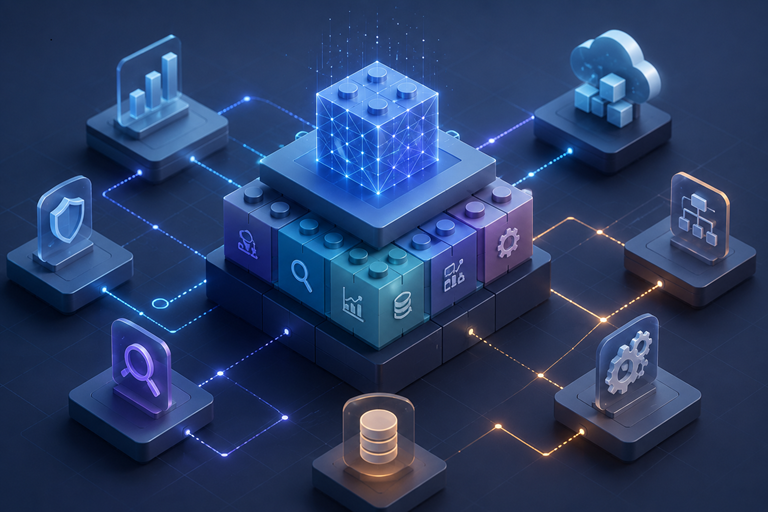
The Underestimated Challenge of Production AI: Standardized Components
AI systems are rapidly moving from experimentation into production, but scaling them reliably introduces a new class of operational challenges. As non-deterministic components such as LLMs and autonomous agents become more common, fragmented architectures and custom implementations quickly increase complexity, observability gaps, and governance risks. This article explores why standardized components, shared telemetry, and platform engineering principles are becoming critical foundations for production-grade AI systems.
और पढ़ें
Signal detection: the skill behind great leaders (and great AI agents)
Great leaders do not stand out by processing more information, but by filtering better. The real skill is detecting signal from noise, especially the almost relevant noise that looks important but is not. The same applies to AI agents. They perform well when they continuously evaluate what actually changes the situation and what can be discarded. Better thinking comes not from adding more, but from removing what does not matter.
और पढ़ें
AI No Longer Rewards Ideas. It Rewards Trust.
AI makes ideas cheap and content abundant. Standing out is no longer about what you say, but what you have done and what others say about you. Trust, references, and the ability to deliver are what matter.
और पढ़ें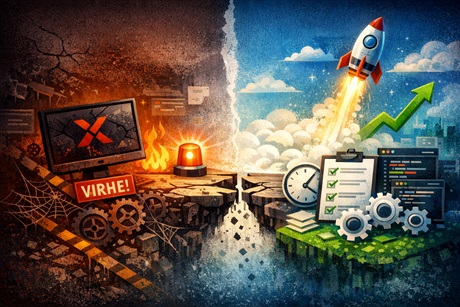
Reliability debt makes speed dangerous today
Agent-driven development can increase speed faster than confidence. When changes happen faster than they can be understood, tested, and rolled back, organizations start accumulating not only technical debt, but also reliability debt.
और पढ़ें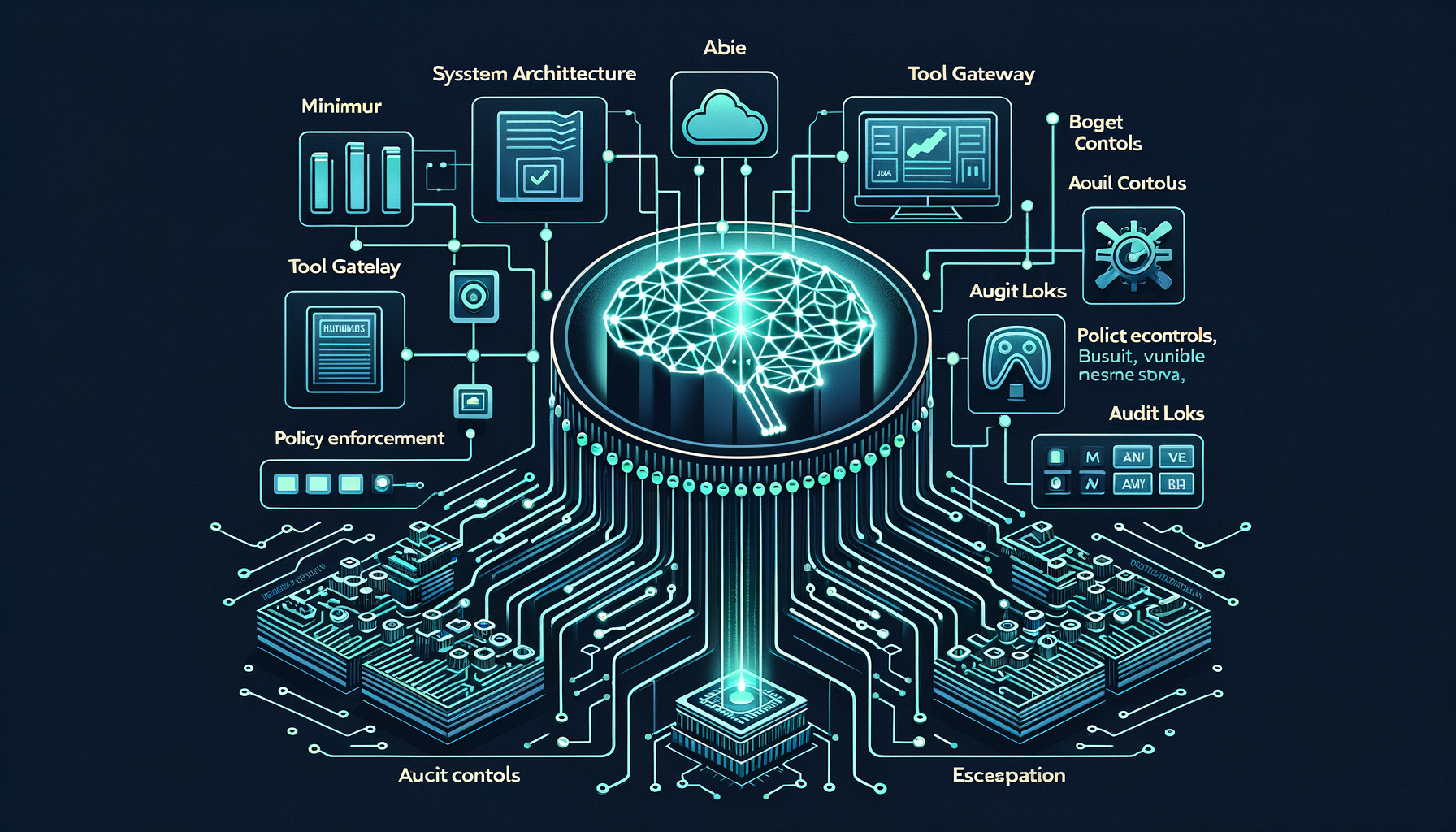
The Minimum Viable Agent Platform
Most AI agent systems are demos, not platforms. A production ready agent platform requires more than prompt engineering. It needs strict budgets, hard stop mechanisms, a tool gateway, policy enforcement, full auditability, replay capability, and a clear escalation path. Agents are distributed systems with a stochastic core. Without architectural discipline, autonomy becomes operational risk. The Minimum Viable Agent Platform defines the baseline that turns AI experiments into reliable infrastructure.
और पढ़ें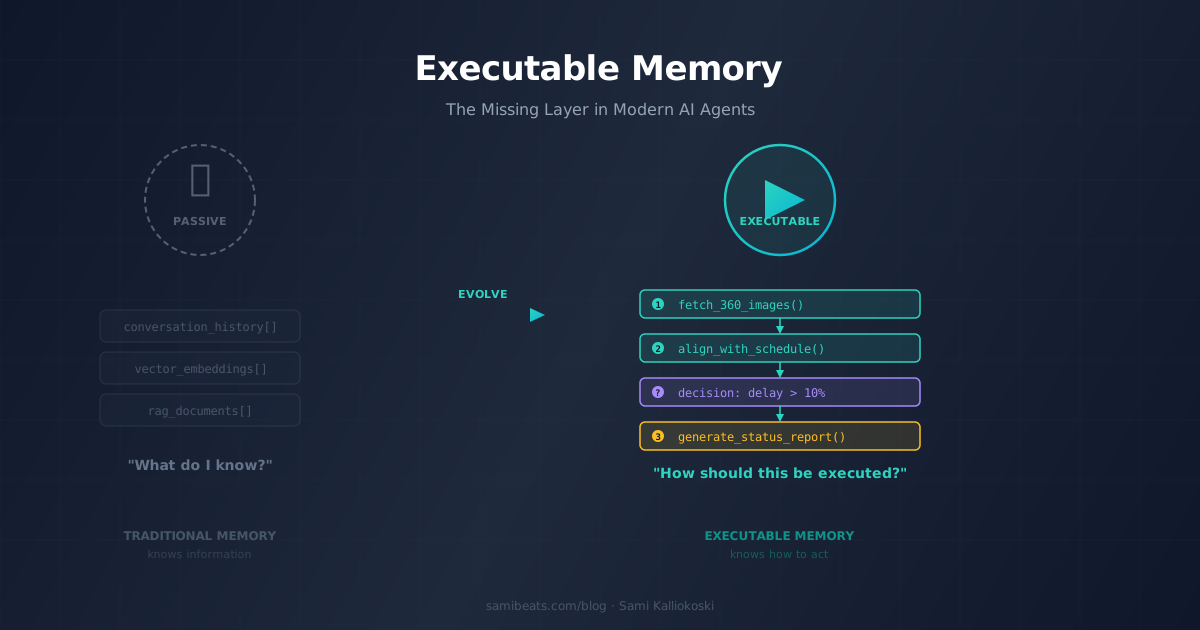
Executable Memory: Why the Next Step for AI Agents Is Not Better Memory, but Executable Memory
Executable Memory means AI agents remember how to execute tasks, not just what was said. Instead of re-planning every workflow with prompts and tools, the agent learns successful execution paths and turns them into reusable routines (e.g. DSL + code). This leads to faster, cheaper, more deterministic agents, especially in production use cases like multi-system analysis (e.g. 360 images + schedules), where consistency and reliability matter more than ad hoc reasoning.
और पढ़ें
Teach the Bot – When AI Learns From You, You Learn More
Many students use AI for homework, but learning gets outsourced. What if AI was your student? The Protégé Effect shows that teaching is the most effective way to learn.
और पढ़ें
When One AI Is No Longer Enough
A story about moving from one AI agent to many, and why the biggest challenge turned out to be human, not technical. I describe the interface I built to manage multiple background agents in a way that stays cognitively manageable, even on mobile and with voice control.
और पढ़ें
Welcome to the Blog!
This is my first blog post. Here I share thoughts about technology, AI, and creativity.
और पढ़ें